

The ongoing conflict in the Middle East has sent ripples through global trade, and while microfiber cleaning cloths may seem like a niche product, their export journey to/from the region is being shaped by three key factors: shipping disruptions, raw material volatility, and shifting demand patterns. For exporters, understanding these impacts is critical to adjusting strategies and maintaining profitability.
1. Shipping Disruptions: Delays, Reroutes, and Soaring Costs
The Middle East is a vital hub for global shipping—home to the Suez Canal (which handles ~12% of world trade) and major ports like Jebel Ali (UAE) and Port Said (Egypt). Since the conflict escalated, two issues have disrupted exports:
a. Suez Canal Risks and Rerouting
While the Suez Canal remains open as of early 2026, attacks on commercial vessels in nearby waters (e.g., the Red Sea) have forced some carriers to reroute ships around the Cape of Good Hope (South Africa). This adds 10–14 days to transit times and increases fuel costs by 30–50%. For microfiber cleaning cloths exporters (who typically ship lightweight, high-volume goods), these delays mean:
- Longer lead times for Middle Eastern buyers (e.g., UAE retailers waiting for holiday-season stock).
- Higher freight bills—potentially eroding profit margins if contracts don’t include “force majeure” clauses.
b. Port Congestion and Security Checks
Ports in conflict-affected areas (e.g., Haifa, Israel; Basra, Iraq) have tightened security, leading to longer customs clearance times. Even neighboring countries like Saudi Arabia and Jordan have increased inspections of cargo from “high-risk zones,” causing minor delays for microfiber shipments (which are often packed in bulk cartons).
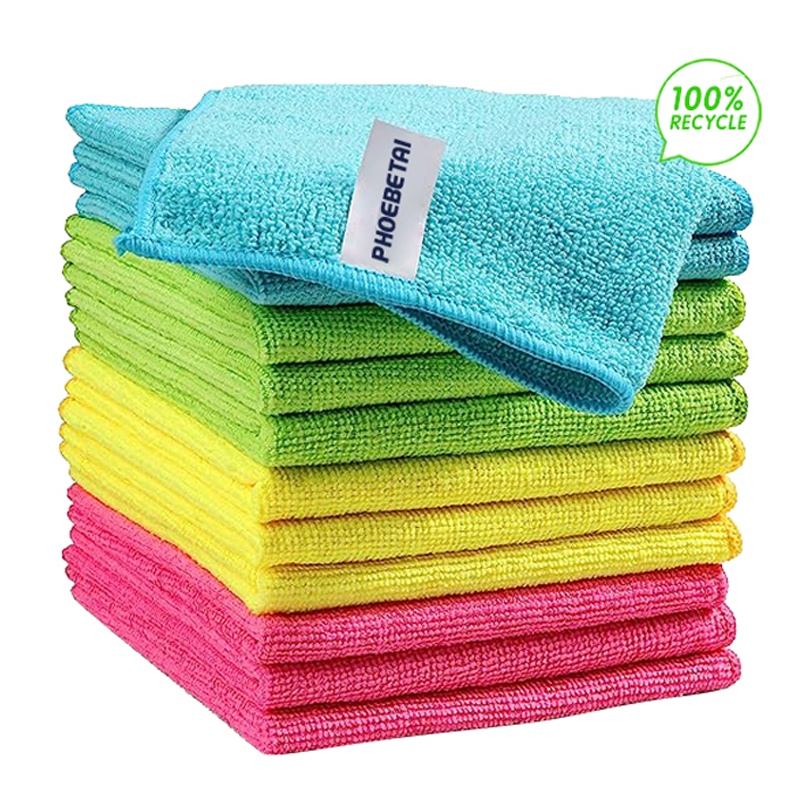
2. Raw Material Volatility: Polyester Prices Surge
Microfiber cleaning cloths are made primarily from polyester (a petroleum-derived fiber). The Middle East is a major producer of crude oil—the raw material for polyester—and conflict-driven supply fears have pushed global oil prices up by 15–20% since late 2025. This has a direct impact on:
- Production costs: Polyester prices rose by 12% in Q1 2026, forcing exporters to either raise prices (risking lost orders) or absorb costs (squeezing profits).
- Supply chain stability: Some polyester suppliers in the region (e.g., Saudi Arabia’s Sabic) have paused exports to prioritize domestic demand, creating shortages for manufacturers in Asia (China, India) and Europe.
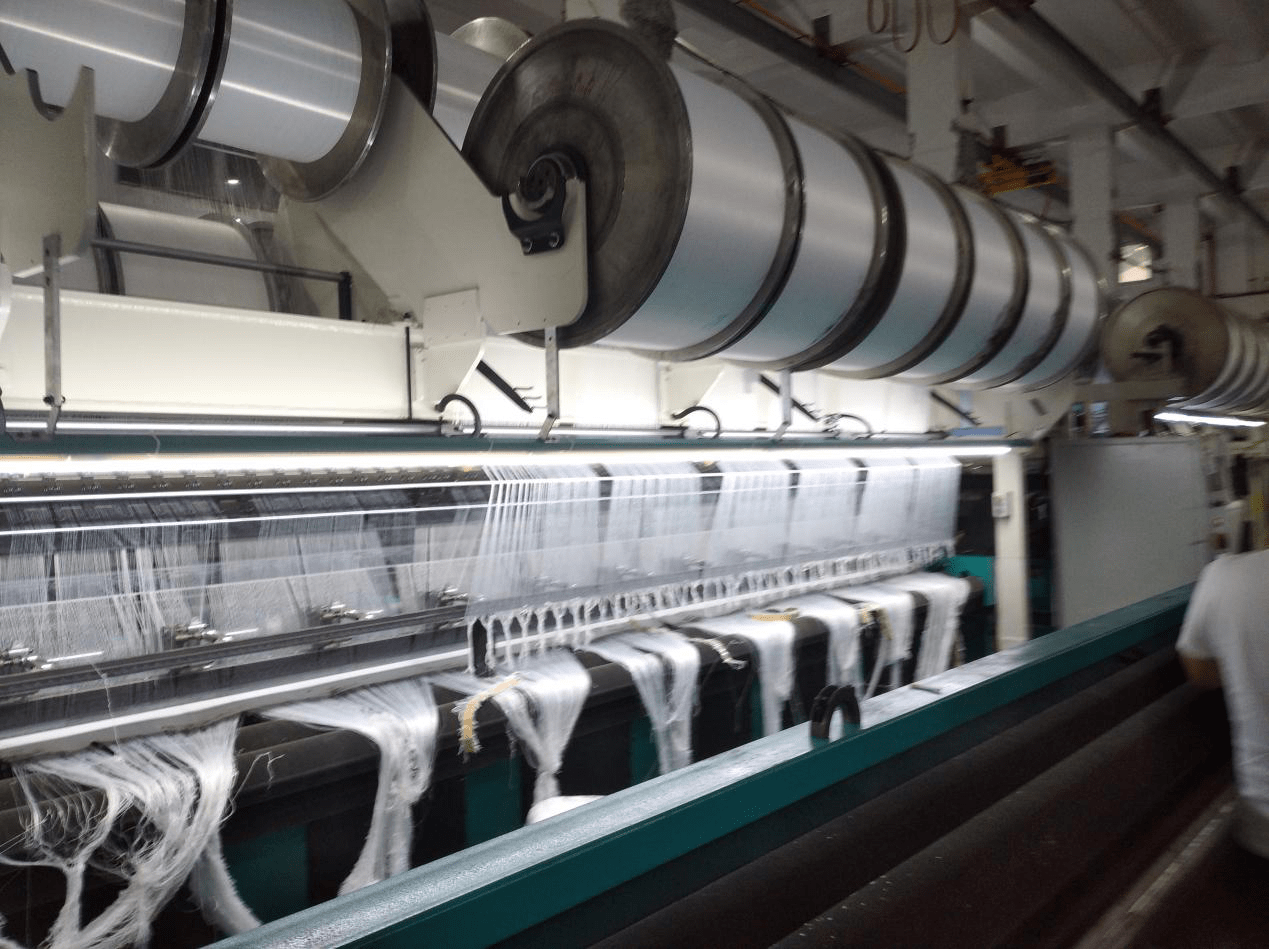
3. Shifting Demand: From Commercial to Consumer, and New Priorities
The conflict has altered what Middle Eastern buyers want from microfiber cleaning cloths—and where they buy them:
a. Commercial Demand Slows (But Consumer Demand Holds Steady)
- Industries like hospitality (hotels, resorts) and construction—key buyers of commercial-grade microfiber—have scaled back spending due to economic uncertainty. For example:
- A Dubai-based hotel chain postponed its 2026 expansion plan, reducing orders for 5,000 microfiber cleaning kits.
- Construction firms in Qatar are delaying purchases of industrial microfiber cleaning cloths (used for wiping machinery) amid project freezes.
However, consumer demand for microfiber cleaning cloths(for home use) has remained stable—even grown slightly. With more people staying home (due to travel restrictions or safety concerns), households are investing in durable, efficient cleaning tools. A Saudi e-commerce platform reported a 22% increase in microfiber cleaning cloths sales in Q1 2026 vs. 2025.
b. Buyers Prioritize “Security” Over Price
Middle Eastern importers now value reliable delivery and quality consistency more than ever. Exporters who can guarantee:
- Alternative shipping routes (e.g., via the Persian Gulf instead of the Red Sea).
- Consistent quality (via third-party certifications like OEKO-TEX®).
- Flexible payment terms (to offset currency fluctuations).
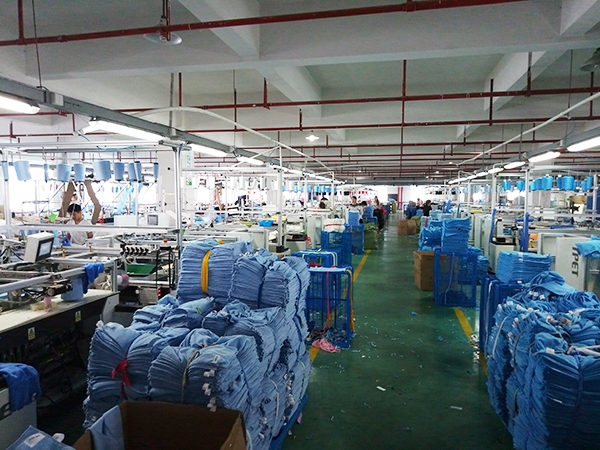
4. Currency Fluctuations: Impacting Pricing and Profitability
The conflict has weakened regional currencies like the Egyptian pound (EGP) and Turkish lira (TRY) against the U.S. dollar (USD)—the primary currency for global trade. For exporters:
- Buyers in devalued currencies face higher costs (e.g., a UAE buyer paying in USD sees no change, but an Egyptian buyer paying in EGP pays 8% more for the same shipment).
- Exporters with local production (e.g., in Turkey or Jordan) benefit from lower labor costs in local currencies—offsetting some of the polyester price hikes.
What Exporters Can Do to Mitigate Risks
The Middle East conflict is unpredictable, but proactive steps can protect your microfiber export business:
- Diversify shipping routes: Work with carriers that offer alternative paths (e.g., via the Cape of Good Hope or the Mediterranean) and build buffer time into lead times.
- Lock in raw material prices: Negotiate long-term contracts with polyester suppliers to avoid sudden cost spikes.
- Target consumer markets: Shift focus to e-commerce platforms (e.g., Noon, Amazon.ae) and home-goods retailers—where demand is resilient.
- Highlight reliability: Emphasize your ability to deliver on time, maintain quality, and handle customs paperwork in your marketing (critical for B2B buyers).
Final Take away
The current conflict in the Middle East isn’t a death knell for microfiber cleaning cloths exports—it’s a test of adaptability. By understanding how shipping, materials, and demand are changing, you can turn challenges into opportunities: whether that’s capturing new consumer customers, raising prices for reliable service, or building stronger relationships with buyers who value security over risk.