

For global buyers—whether you’re a hotel procurement manager, a cleaning service provider, or a home goods retailer—choosing the right microfiber cleaning cloths isn’t just about “getting the job done.” It’s about cutting costs, boosting efficiency, and meeting your customers’ rising expectations. Yet many still rely on traditional microfiber cleaning cloths(cotton, terry, or low-quality synthetic blends). Let’s break down their 5 most frustrating flaws—and how export-grade microfiber cloths fix them instantly.
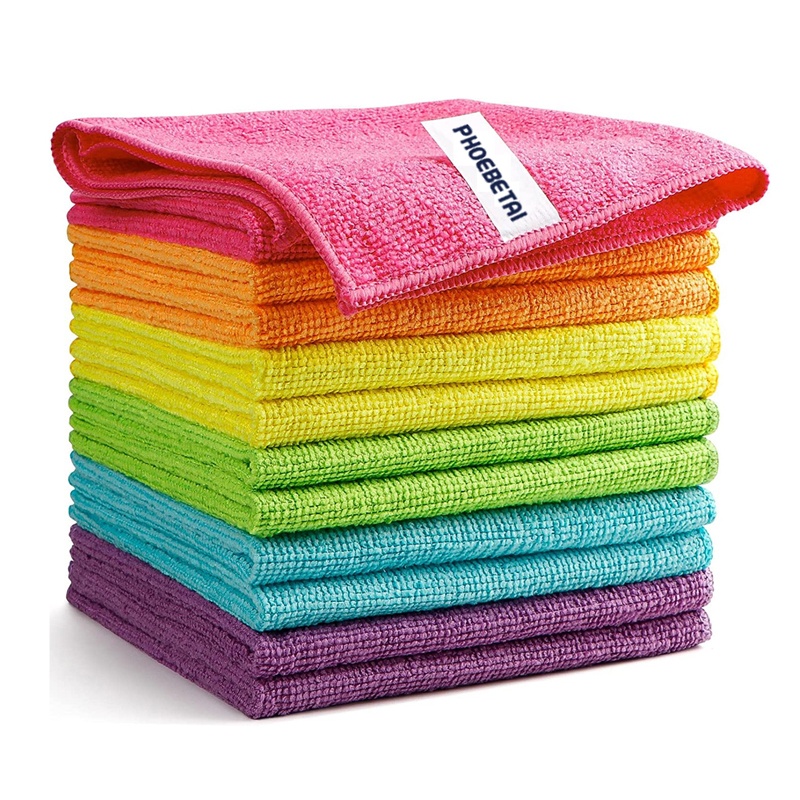
1. Lint & Streaks: Ruining Finishes (and Your Reputation)
Traditional cotton or terry cloths are notorious for shedding fibers. Ever wiped a glass table with a cotton rag, only to leave behind a web of lint? Or cleaned a stainless-steel appliance, only to see streaks that make it look worsethan before? For commercial buyers, this is a disaster:
- Hotels get complaints from guests about “dirty-looking mirrors.”
- Restaurants fail health inspections due to residue on prep surfaces.
- Retailers lose sales when product displays (e.g., glassware, electronics) look unpolished.
How microfiber solves it:
Our export-grade microfiber cloths use ultra-fine fibers (0.1–0.3 denier—100x thinner than human hair!) woven into a tight, non-shed structure. They trap dirt insidethe cloth instead of pushing it around or leaving lint. Result? Streak-free shine on glass, metal, or marble—every time. A German hotel chain we supply saw guest complaints about dirty surfaces drop by 65% after switching to our microfiber.
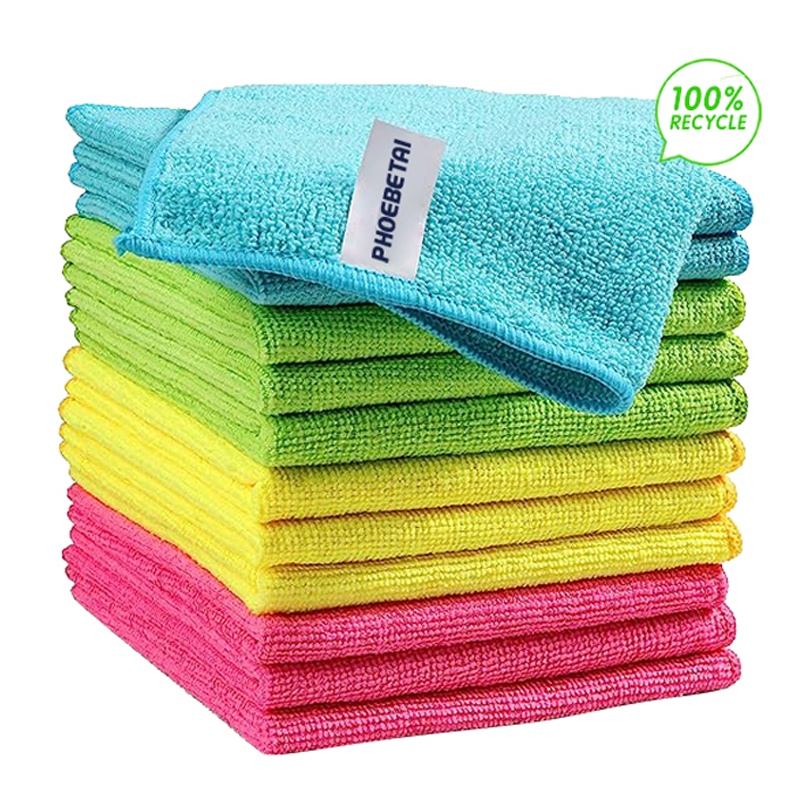
2.Poor Absorbency: Wasting Time (and Water)
Cotton cloths soak up liquid—until they hit saturation. Then they drip, smear, or require constant wringing. For example:
- A janitor cleaning a flooded bathroom with cotton rags might need 5x more trips to the mop sink.
- A car detailer using terry towels spends extra minutes drying vehicles between coats of wax.
- This inefficiency adds up: More labor hours, more water usage, and higher operational costs.
How microfiber solves it: Microfiber has twice the absorbency of cotton(our cloths hold up to 8x their weight in liquid!). Plus, they release moisture evenly—no dripping, no smearing. A U.S.-based cleaning company cut its water usage by 40% and reduced cleaning time per bathroom by 25% after adopting our microfiber.
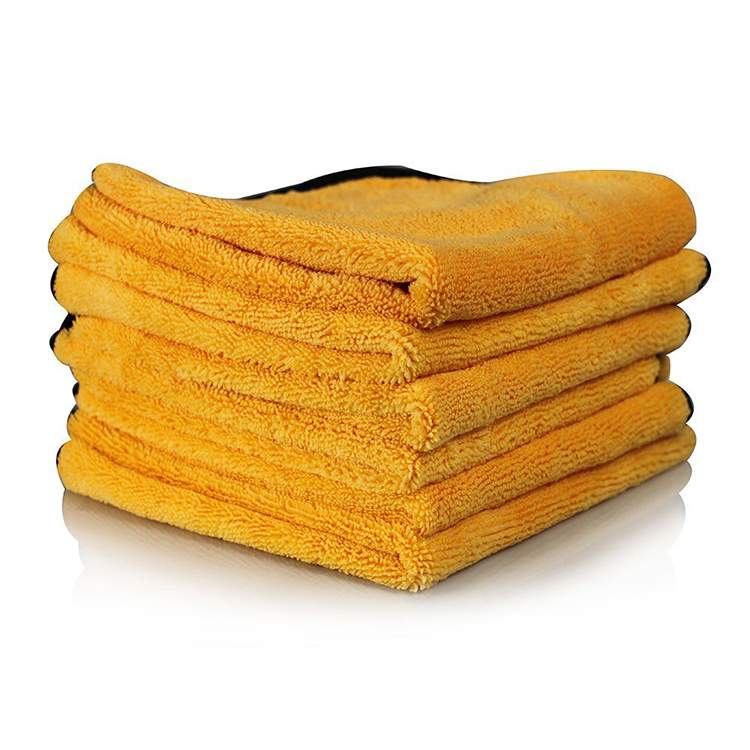
3. Ineffective Dirt Removal: Scrubbing Harder (Not Smarter)
Traditional cloths rely on friction alone to lift dirt—but they can’t penetrate grease, grime, or dust particles. You end up scrubbing harder, which wears out cloths faster anddamages surfaces (e.g., scratching wood floors or dulling countertops).
For industrial buyers (e.g., auto shops, factories), this means:
- Replacing cloths every week instead of monthly.
- Paying for repairs to scratched equipment or furniture.
How microfiber solves it: Microfiber’s split-fiber technology creates tiny “hooks” that grab dirt, oil, and bacteria at a microscopic level. No harsh scrubbing needed—just wipe, and the dirt stays trapped. A Canadian automotive parts supplier tested our microfiber against cotton: Our cloth removed 92% of engine grease vs. cotton’s 58%. Plus, our cloths lasted 3x longer—slashing replacement costs by $1,200/year.
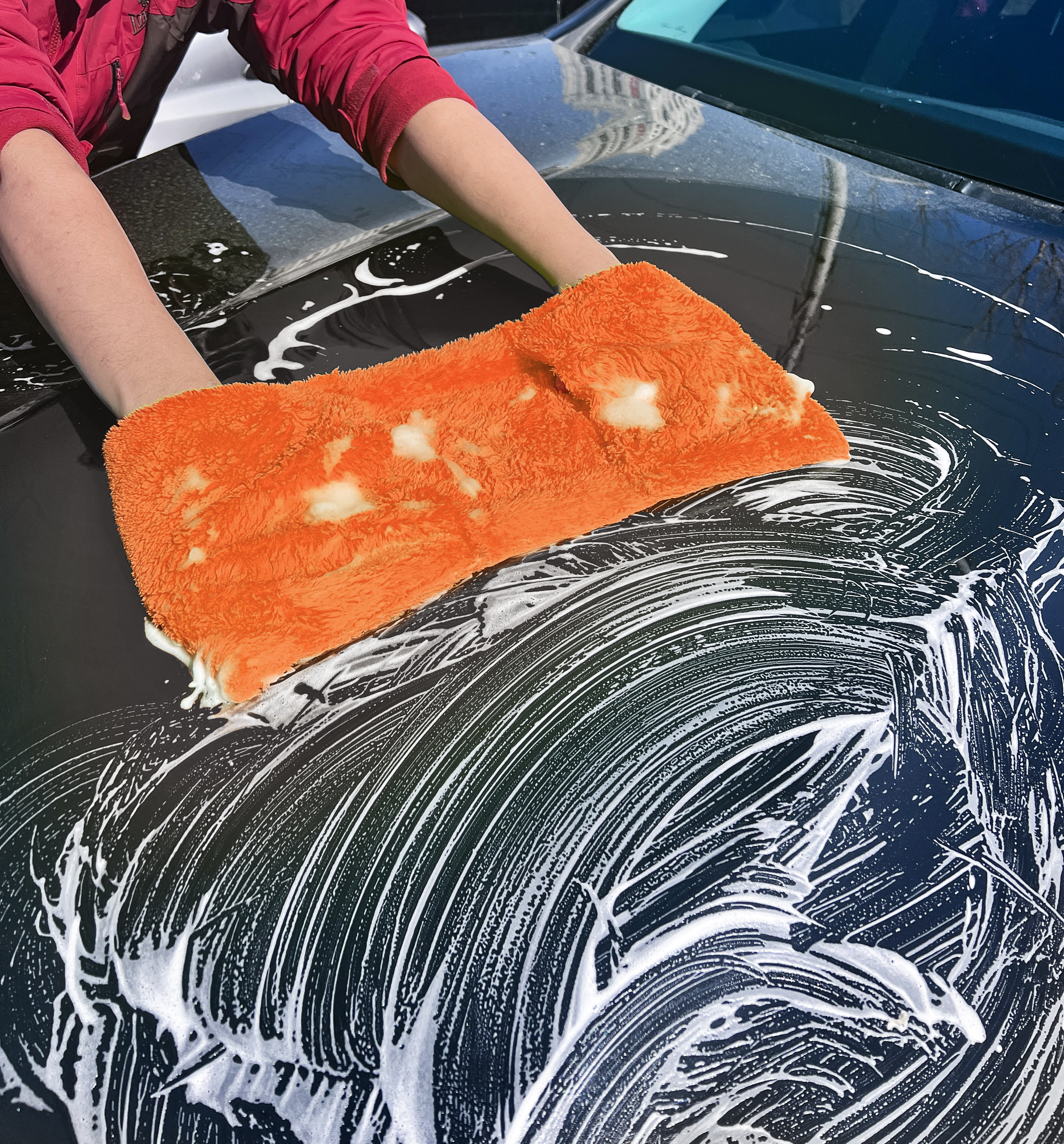
4. Short Lifespan: Constantly Reordering (and Increasing Costs)
Cotton and terry cloths tear, fray, or thin out after 5–10 washes. For businesses, this means:
- Disrupted inventory (running out of cloths mid-cleaning shift).
- Higher long-term costs (buying 3x more cloths annually).
- A UK-based hospital we worked with used to order 500 cotton cloths/month—only to throw away 30% of them due to holes or fraying.
How microfiber solves it: Our export-grade microfiber is reinforced with double-stitched edges and high-density weaving. It withstands 100+ industrial washes (at 60°C!) without losing shape, softness, or performance. That same UK hospital now orders 150 microfiber cloths/month—andcuts waste by 70%.
5. Non-Eco-Friendly: Failing Green Standards (and Customer Demands)
Traditional cloths are often made with non-biodegradable materials (e.g., polyester) or treated with chemical finishes (e.g., bleach) that harm the environment. For buyers in eco-conscious markets (EU, North America, Japan), this is a dealbreaker:
- Retailers can’t sell cloths labeled “eco-friendly” if they contain synthetic fibers.
- Companies face fines for violating regulations like EU REACH or California’s Prop 65.
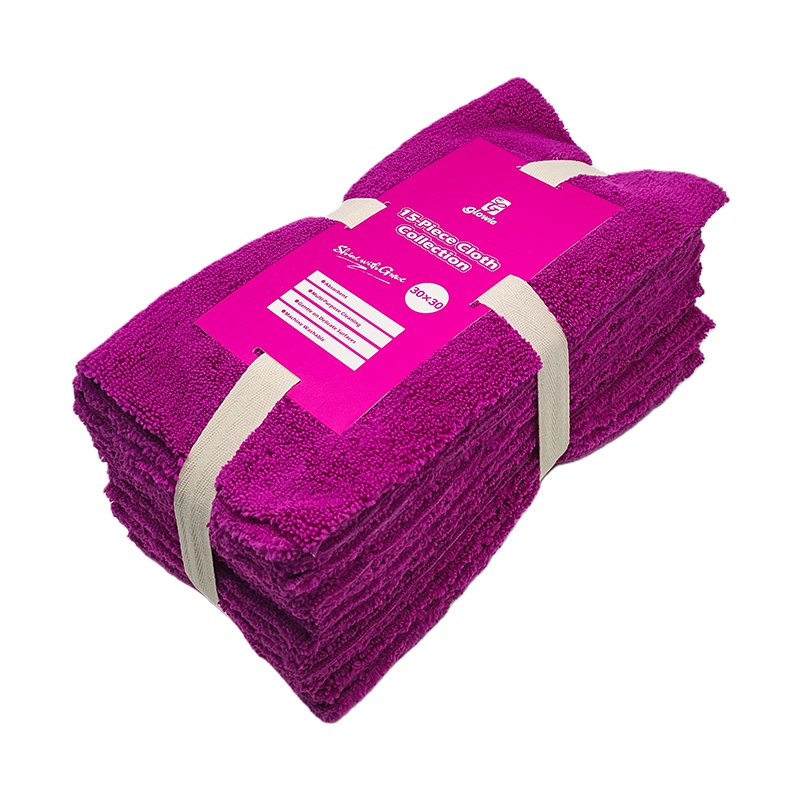
How microfiber solves it: We offer OEKO-TEX® Certified microfiber made from recycled PET bottles (reducing plastic waste) orbiodegradable plant-based fibers (compostable in 180 days). Plus, our cloths require fewer detergents and hot water—cutting carbon emissions by 35% compared to cotton. A Swedish eco-retailer doubled its microfiber sales last year because customers trusted our sustainability credentials.
Why Export-Grade Microfiber Is Your Smartest Investment
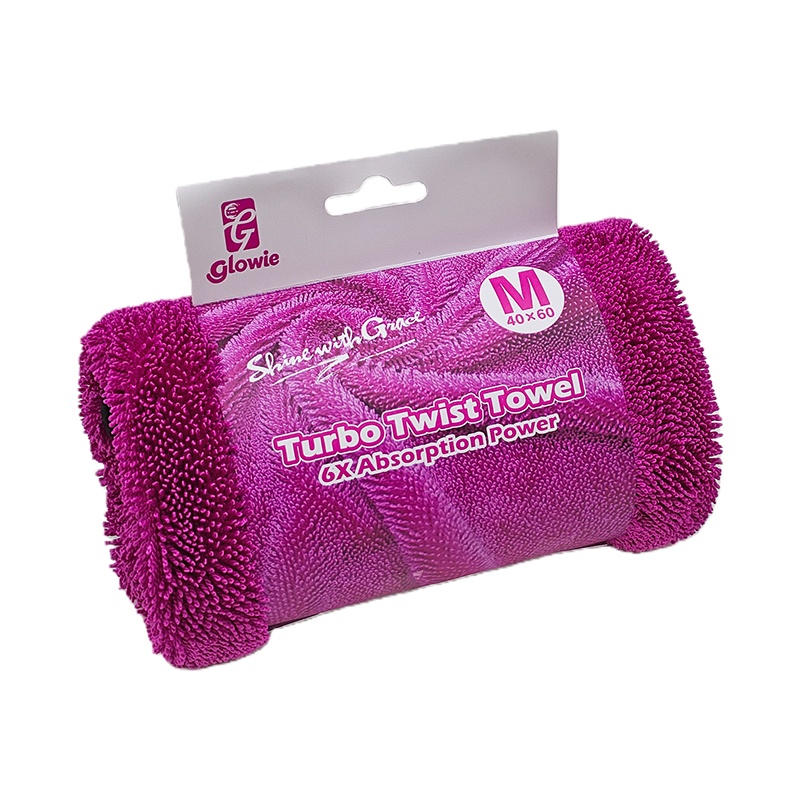
At PHOEBETAI, we don’t just sell microfiber cleaning cloths—we solve problems for global buyers. Our microfiber products:
✅ Meet strict international standards (OEKO-TEX®, BSCI, ISO 9001).
✅ Support OEM/ODM customization (logo printing, packaging, size adjustments).
✅ Come with worry-free logistics (moisture-proof shipping, customs documentation assistance).
Don’t let traditional cloths drain your budget or damage your reputation. Switch to microfiber today—and experience the difference one step makes.
Ready to upgrade your cleaning game? Contact our export team today for a free sample kit—tailored to your industry needs.